

Quand Genève secoue la Réforme et claque la porte à l’autorité
L'épisode en bref
Bienvenue sur « Vraiment Calvin, est-ce là une vie idéale ? Un podcast historique. » Dans l’épisode d’aujourd’hui, nous plongeons dans le fascinant parcours de l’indépendance de Genève durant les années tumultueuses de la Réforme. Les recherches de Christophe Chazalon révèlent un processus complexe et progressif qui a façonné le destin de la ville.
Le chemin de Genève vers l’autonomie a été jalonné d’étapes majeures : l’acquisition de la juridiction civile, l’expulsion du prince-évêque pour trahison, et l’audacieuse décision de frapper sa propre monnaie. L’adoption de la Réforme en 1536 a marqué un tournant décisif dans ce parcours. Toutefois, Chazalon remet en question les récits traditionnels, mettant en lumière la réalité nuancée de ces événements. S’appuyant sur les archives méticuleuses du Conseil de Genève, il dresse le portrait d’une ville naviguant dans un équilibre délicat des pouvoirs. L’étude souligne le rôle crucial de Berne en tant qu’allié et protecteur, tout en explorant l’entrelacs complexe des relations avec la France et le Saint-Empire romain.
Cet épisode offre une perspective nouvelle sur la transformation de Genève, qui est passée d’une petite ville sous influence savoyarde à la « Rome protestante » indépendante que l’histoire nous a laissée.
On appuie sur lecture ?
Si vous préférez une autre plateforme audio (Spotify, Podcast Addict, Deezer, Apple Podcasts, Amazon Music, Overcast…), cliquez ICI !
*******
Script
Speaker #0 - All right, let's get into it. Today, we're exploring a pretty cool story. The story of how Geneva became independent.
Speaker #1 - It's one of those stories you think you know, but then when you really dig into it, it's so much more complex.
Speaker #0 - Yeah. Well, especially for this deep dive, we're looking at Chazalon's "Registres du Conseil de Genève: Independence et Reforme.pdf", which, if you haven't heard of it, it's an analysis of Geneva's council records right around the time of the Reformation.
Speaker #1 - Fascinating period.
Speaker #0 - A fascinating period. A lot going on. Absolutely. And you know, when you think about Geneva today, you think of it as this peaceful international city.
Speaker #1 - Right. A hub for diplomacy.
Speaker #0 - But getting there, getting to independence was anything but peaceful.
Speaker #1 - Oh, yeah.
Speaker #0 - It was,... there's a lot of political maneuvering.
Speaker #1 - For sure.
Speaker #0 - Religious upheaval. And even some creative financial solutions, I think we could say.
Speaker #1 - Indeed, yeah. It's a multi-stage process. You know, it's not just one thing. You can look at the transfer of civil justice, the bishop's departure, the quote unquote usurpation of regal rights, and of course, the impact of the Reformation all intertwined to shape this independence movement.
Speaker #0 - So it's not quite as simple as just like. We're going to get rid of the bishop and we're independent.
Speaker #1 - It would be nice.
Speaker #0 - Let's have a party.
Speaker #1 - Yeah. Simple. It wasn't quite like that.
Speaker #0 - OK, so what's... what's one of the big misconceptions that you see about this this story?
Speaker #1 - I think a big one is that Genevans just chased their bishop out and declared independence. But these council records tell a different story.
Speaker #0 - Okay. All right.
Speaker #1 - Much more intricate.
Speaker #0 - So let's break it down a little bit. What actually happened with this bishop?
Speaker #1 - So the bishop, Pierre de La Baume, he leaves Geneva in 1533, and there was pressure for sure from reformers. Tensions were high, you know. But here's the thing. He fully intended to come back. He wasn't thinking this was permanent, and the Genevans, they were working within the existing systems, right? Trying to keep things stable.
Speaker #0 - So what changed? What made it that he never came back?
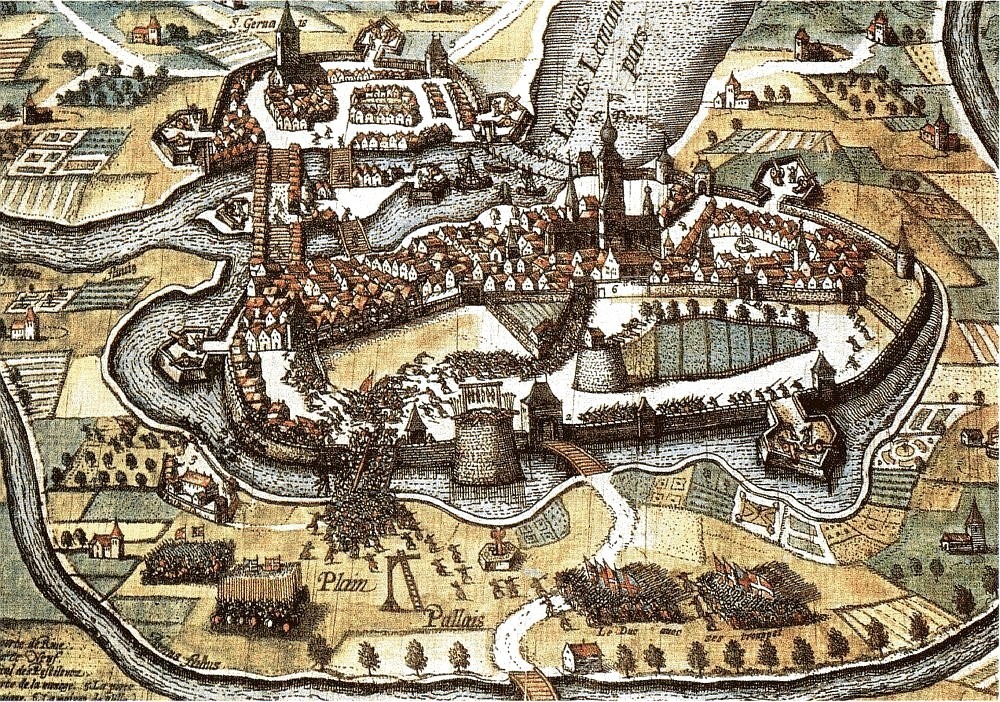
Speaker #1 - Well, ironically, his own actions. He allies with the Duke of Savoy. You know. Savoy, as you know, had his own eye on Geneva.
Speaker #0 - Right, right.
Speaker #1 - So to the Genevans, this looks like a betrayal, like he's siding with the enemy. And that's what made his return impossible.
Speaker #0 - Wow. So it's like he kind of played right into the.
Speaker #1 - He did.
Speaker #0 - Yeah, maybe unintentionally, but he did.
Speaker #1 - Wow. Okay. So even though he was gone, though, there's still the pressure from Savoy.
Speaker #0 - Oh, for sure. Savoy sees this power vacuum as an opportunity, and decides to impose a blockade on Geneva, trying to bring them to their knees.
Speaker #1 - Right, to squeeze them.
Speaker #0 - Yeah, and that's when things take a really fascinating turn, especially when you look at it from a financial perspective. This is where the minting of coins comes in, right?
Speaker #1 - Yes, exactly.
Speaker #0 - Just seems like a pretty bold move.
Speaker #1 - It was bold, but also born of necessity. The blockade had crippled their economy, funds were depleted, and they needed a solution. And this was it.
Speaker #0 - So they're minting their own coins. I get the symbolic importance of that. But was it even legal for them to do that at the time?
Speaker #1 - Well, it definitely challenged the powers that be. You know. Minting coins was considered a regal right, something reserved for kings or emperors. But in Geneva's case, the situation was a bit nuanced because over a century earlier, the bishops had actually given control of coinage to the Duke of Savoy.
Speaker #0 - Oh, interesting.
Speaker #1 - So it wasn't a right that the bishop was actively using. It was more like a lost privilege...
Speaker #0 - Oh, I see.
Speaker #1 - ... that they were reclaiming. And they did it in a really clever way.
Speaker #0 - How so?
Speaker #1 - They melted down confiscated church treasure. So, not only did they get the raw material for their new coins, but it also sent a powerful message. Geneva was breaking away from the old order.
Speaker #0 - Right.
Speaker #1 - Both politically and financially.
Speaker #0 - So it wasn't just like, oh, we happen to have some extra metal laying around.
Speaker #1 - It was very symbolic.
Speaker #0 - Very intentional.
Speaker #1 - Absolutely. It established their autonomy in a very real way.
Speaker #0 - Okay. And all this time, this is all happening while the Reformation is kind of bubbling up in the background?
Speaker #1 - Right. Exactly.
Speaker #0 - So I can't imagine that didn't have some sort of impact on things.
Speaker #1 - It's all connected. The Reformation is deeply intertwined with Geneva's fight for independence. In fact, May 21st, 1536, is often cited as the date for both.
Speaker #0 - Oh, wow.
Speaker #1 - The Reformation's adoption and Geneva's freedom. But like everything else we've been talking about, the reality is way more complicated than just one date.
Speaker #0 - Yeah, I was going to say, I'm sure it's not quite as simple as everybody just woke up and said, "hey, it's Reformation Day and also Independence Day, let's party!"
Speaker #1 - Two for one.
Speaker #0 - Yeah! Yeah! Exactly!
Speaker #1 - Not quite...
Speaker #0 - Okay! So... So what is what does this historical analysis tell us about the reformation's role in all this?
Speaker #1 - Well, it wasn't like a sudden overnight conversion, you know. It was more gradual. There were internal debates shifting allegiances and even some dramatic events that ultimately pushed Geneva towards embracing the reformation.
Speaker #0 - Oh, okay! So like what kind of events are we talking?
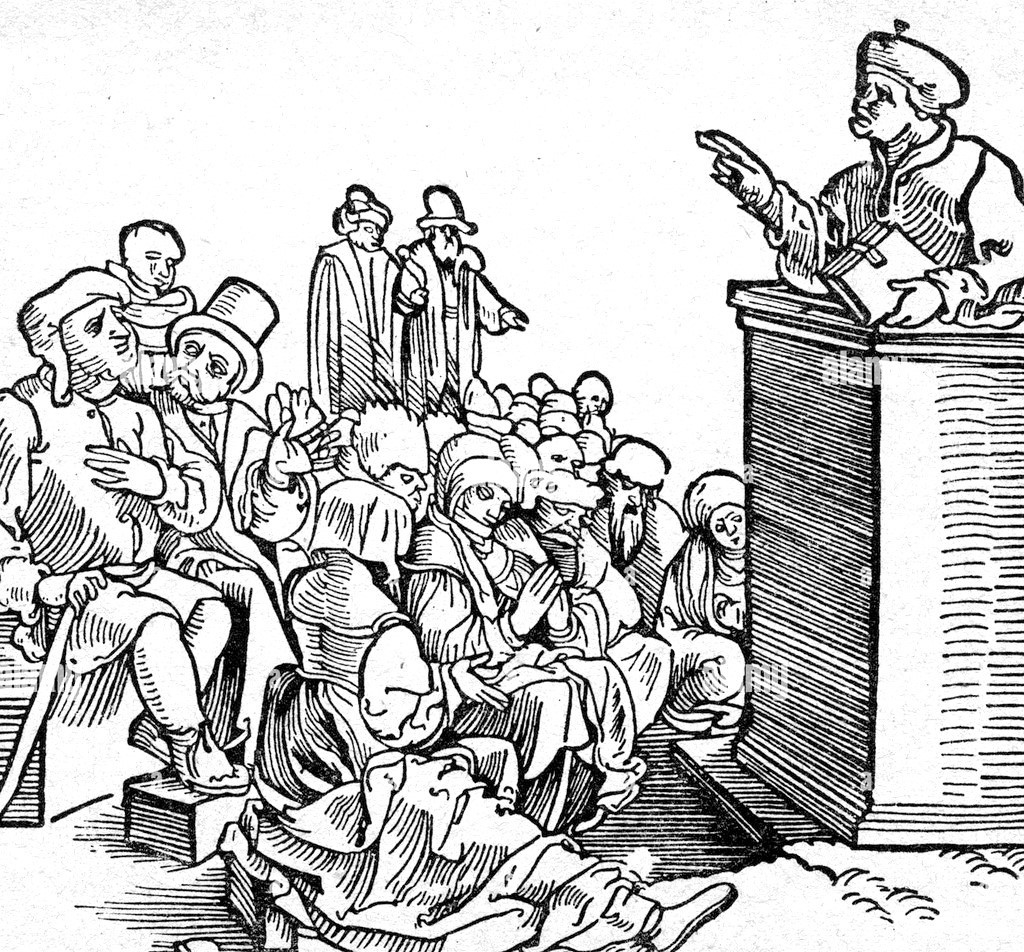
Speaker #1 - Well, for example, there was the dispute to Rive.
Speaker #0 - What's that?
Speaker #1 - Picture this. A public debate held on the banks of the Rhone River.
Speaker #0 - Okay.
Speaker #1 - With Catholic priests and Protestant reformers going head to head, arguing about religious doctrine.
Speaker #0 - So a little more exciting than your average Sunday service.
Speaker #1 - Definitely. It was quite a spectacle, and it really stirred things up. This dispute derive ignited passions on both sides, and things escalated quickly. There are accounts of iconoclasm, destruction of religious images, which heightened tensions and further destabilized the city.
Speaker #0 - So amidst all this chaos and with the bishop gone, did the Genevan leadership just kind of say, "all right, let's just go all in on the Reformation"?
Speaker #1 - Not quite that straightforward. No. The council definitely leaned towards the reformers, but initially they tried to keep a balance. You know, appease both Catholics and Protestants. They even suspended mass for a while, hoping to calm things down.
Speaker #0 - Buy themselves some time.
Speaker #1 -Exactly.
Speaker #0 - Okay. But that obviously didn't last. So what was it that tipped the scales in favor of the Reformation?
Speaker #1 - Well, it was a bunch of factors coming together, really. The bishop leaving was a big obstacle removed, and more and more influential people in Geneva were openly supporting the Reformation. And as more Catholic figures, clergy and nobles chose to leave the city, the momentum shifted decisively toward the reformers.
Speaker #0 - So it wasn't like a revolution so much as...
Speaker #1 - Like a gradual shift.
Speaker #0 - A gradual tide, yeah. That's a great way to put it. And all this, remember, was happening against the backdrop of intense political maneuvering.
Speaker #1 - Oh, right, right, right.
Speaker #0 - Geneva wasn't operating in a vacuum.
Speaker #1 - With all the other big players. Okay, well, let's talk about those big players then.
Speaker #0 - Okay.
Speaker #1 - So, Berne, France, and the Holy Roman Empire. All have kind of a vested interest in what's happening in Geneva.
Speaker #0 - Absolutely.
Speaker #1 - So I imagine that was a very...
Speaker #0 - It was a delicate balancing act for Geneva to navigate all of that.
Speaker #1 - And kind of. I mean, how did they, I mean, how do you come out on top in that situation?
Speaker #0 - By playing their cards, right? The historical analysis suggests that they used the competing interests of these powers to their advantage.
Speaker #1 - Smart.
Speaker #0 - They formed alliances, played hard to get.
Speaker #1 - Right.
Speaker #0 - Really... Used every tool in their diplomatic toolbox.
Speaker #1 - Wow. So they're really using all their political savvy.
Speaker #0 - To kind of survive... Okay. So are there any particularly interesting details in the council records?
Speaker #1 - Let me think. Well, there's mention of secret negotiations between French and Bernese officials.
Speaker #0 - Ooh, juicy.
Speaker #1 - That seem to have had a big impact on Geneva's fate. It looks like... both powers wanted control of the city but ultimately they reached a balance of power, maybe some backroom deals were made. We don't know for sure, but the details remain a mystery.
Speaker #0 - Okay. So we have this Geneva breaking free from the catholic church, maneuvering between these powerful allies. They're minting their own coins. So, it seems like they're well on their way to becoming a full-fledged republic.
Speaker #1 - Well, not quite, and this is where we have to clear up another common misconception.
Speaker #0 - Okay.
Speaker #1 - So, even though Geneva separated from the Catholic Church and gained a lot of independence, technically, they were still part of the Holy Roman Empire.
Speaker #0 - Yeah. Okay, wait. So they're independent...
Speaker #1- It's a bit.
Speaker #0 - But not really. How does that work?
Speaker #1 - It's a historical quirk, I guess you could say. The term "signory" or "lordship" is actually more accurate than "republic" for Geneva at this time.
Speaker #0 - Interesting.
Speaker #1 - They had their own council. They controlled their own affairs, but they weren't fully sovereign, not in the modern sense of the word.
Speaker #0 - Okay, so I think I'm getting the picture here.
Speaker #1 - Yeah.
Speaker #0 - Geneva's independence was not a straight line.
Speaker #1 - Not at all.
Speaker #0 - It was messy and complicated.
Speaker #1 - For sure.
Speaker #0 - But they really made it work.
Speaker #1 - They did.
Speaker #0 - They made compromises, built alliances, and played the game of power to get what they wanted.
Speaker #1 - That's exactly right.
Speaker #0 - It's a far cry from the way we usually romanticize revolutions.
Speaker #1 - It's real history, you know. It's messy and complicated.
Speaker #0 - It's not as simple as the history books sometimes make it seem.
Speaker #1 - Right. And it's those compromises and those alliances that really shaped this unique independence they achieved.
Speaker #0 - Yeah, they defied expectations.
Speaker #1 - They did.
Speaker #0 - Challenged the status quo and created a place for themselves.
Speaker #1 - Absolutely.
Speaker #0 - On the world stage.
Speaker #1 - Don't forget. All of this, while they're doing all this, they're also dealing with the pressures from outside forces.
Speaker #0 - Right, right. Like, we can't forget about Berne and France and the Holy Roman Empire.
Speaker #1 - That's like all those players.
Speaker #0 - All those big players.
Speaker #1 - All had a stake in what was happening in Geneva.
Speaker #0 - So I imagine that was...
Speaker #1 - Oh, it was a high stakes game of diplomacy with Geneva trying to, you know, to survive amongst these bigger powers.
Speaker #0 - Yeah. They're trying to secure their own interests. ..
Speaker #1 - Exactly.
Speaker #0 - ... while everybody else is also trying to get a piece.
Speaker #1 - Berne, you know, being Protestant, saw an opportunity to spread their influence. King Francis I of France wanted Geneva for its strategic location. And then you had the Holy Roman Empire, which technically Geneva was still part of.
Speaker #0 - Right, right. So, yeah, they were walking a tightrope.
Speaker #1 - Oh, for sure. Yeah, it sounds like they're playing. three-dimensional chess or something.
Speaker #0 - Right. And so how did they manage to come out on top?
Speaker #1 - Yeah. How do you even survive that?
Speaker #0 - Well, it seems like they played it really smart. The historical analysis suggests that they leveraged these competing interests against each other.
Speaker #1 - Yeah, yeah.
Speaker #0 - They formed alliances when they needed to, played hard to get sometimes. They really... They were shrewd. They knew how to play the game.
Speaker #1 - Okay. So are there any like specific details in the council records about how they they managed to do that?
Speaker #0 - Well, there's a mention of secret negotiations between French and Bernese officials that probably had a big impact on what happened. You know, both powers wanted to control the city right but somehow they came to this balance of power.
Speaker #1 - Yeah, I'm sure. There were some... maybe some deals made behind closed doors. Backroom deals.
Speaker #0 - Yeah, exactly.
Speaker #1 - The details are lost to history.
Speaker #0 - Lost to history.
Speaker #1 - OK.
Speaker #0 - OK. So we have Geneva breaking free from the Catholic Church. They're navigating between all these powerful allies. They're even minting their own coins.
Speaker #1 - Yes.
Speaker #0 - So it really seems like they are on the road to becoming like a full fledged republic.
Speaker #1 - Well, not so fast. And this is where this is where it gets kind of tricky because, you know, they did break away from the church and they gained a lot of independence for sure, but technically they were still a part of the Holy Roman Empire. It's one of those little historical quirks...
Speaker #0 - So they're independent...
Speaker #1 - It's like.
Speaker #0 - ... but not really. I mean, how does that... how does that even work.
Speaker #1 - So, it's... The term "signory" or "lordship", actually, is more accurate than "republic".
Speaker #0 - Than republic, yeah.
Speaker #1 - Okay. They had their council. They controlled their own affairs, but they weren't like a fully sovereign state.
Speaker #0 - I see.
Speaker #1 - Not in the way we think of it today.
Speaker #0 - So this whole thing was, it wasn't just about breaking free. It was about...
Speaker #1 - It was about figuring out.
Speaker #0 - ... figuring out how to operate in this very complicated system.
Speaker #1 - Yeah, absolutely.
Speaker #0 - So their independence was really shaped by those compromises, those alliances.
Speaker #1 - It was a unique form of independence.
Speaker #0 - It's so interesting. It's like they lost their bishop. They had this blockade. Right. They were caught between these empires. And yet they emerged.
Speaker #1 - And somehow.
Speaker #0 - They came out stronger. Yeah.
Speaker #1 - And with a clearer sense of who they were.
Speaker #0 - It's pretty remarkable, isn't it?
Speaker #1 - It really is.
Speaker #0 - And what's even more interesting is that this wasn't just a temporary thing. This struggle, it seems to have really shaped their identity. You know, it influenced their institutions, their culture, their whole approach to the world. It's almost like that struggle kind of baked in.
Speaker #1 - Yeah, I think so.
Speaker #0 - This resilience to them, which is interesting when you think about Geneva today as this center for diplomacy and international cooperation. You almost see the connection.
Speaker #1 - Yeah, there's a through line there.
Speaker #0 - Yeah, between the city that had to maneuver between these powerful neighbors to the city that's now a place where nations come together to solve problems.
Speaker #1 - It's pretty amazing.
Speaker #0 - It is. It is.
Speaker #1 - And that's maybe the most fascinating part of this whole story. Their path to independence. It wasn't just about breaking away. It was about finding a way to thrive in a complex world.
Speaker #0 - Right. Where everything's connected.
Speaker #1 - Exactly. And they understood that, that real strength comes from working together, from finding common ground, building those bridges, that walls.
Speaker #0 - So, it really it makes you think about independence in a in a different way.
Speaker #1 - In a whole new light, yeah.
Speaker #0 - It's not always black and white...
Speaker #1 - It's not always nuanced. It's about finding your place right in the world.
Speaker #0 - ... and... and working with what you got and the people around you, to get where you need to be.
Speaker #1 - Absolutely.
Speaker #0 - I love it.
Speaker #1 - It's uh... It's a really inspiring story I think.
Speaker #0 - It is, yeah
Speaker #1 - It's like, you know, they took what could have been a defeat, and turned it into a victory.
Speaker #0 - Yeah, it's like they were dealt this hand and they played it masterfully.
Speaker #1 - They did.
Speaker #0 - Yeah.
Speaker #1 - They did.
Speaker #0 - Okay, so as we wrap up our deep dive into Geneva's independence, I think it's pretty clear that it was a process.
Speaker #1 - It was a journey.
Speaker #0 - Journey?
Speaker #1 - Not a single event.
Speaker #0 - And it's still shaping Geneva's identity today.
Speaker #1 - For sure.
Speaker #0 - Centuries later.
Speaker #1 - Absolutely. And for you, our listener, the question is, how do you think this unique story of independence continues to influence Geneva's role in the world today?
Speaker #0 - Yeah, it's something to think about as you explore history.
Speaker #1 - And the world around you.
Speaker #0 - Yeah, yeah.
Speaker #1 - Always more to discover.
Speaker #0 - Always more to discover, that's for sure.
Speaker #1 - That's right.
Speaker #0 - All right, well, thanks for joining us on this deep dive into Geneva's independence.
Speaker #1 - It's been a pleasure.
Speaker #0 - We'll see you next time.
Speaker #1 - See you next time.
Speaker #0 - Yeah, it really makes you think about all the different ways independence can look, you know.
Speaker #1 - It's not always so clear cut.
Speaker #0 - Not at all.
Speaker #1 - That's what's so interesting about Geneva. They weren't just fighting to get rid of one specific ruler. It was bigger than that. It was about controlling their own destiny, you know?
Speaker #0 - Right. Like figuring out their own path, in this like ever-changing world.
Speaker #1 - It's pretty inspiring.
Speaker #0 - Yeah, it really is. And they did it by like sticking to their ideals, but also like being willing to adapt and... make compromises.
Speaker #1 - Right. Playing the long game.
Speaker #0 - Yeah.
Speaker #1 - That's real history, not the romanticized versions we sometimes hear.
Speaker #0 - Totally. Yeah. It's a lot messier than that.
Speaker #1 - Way messier.
Speaker #0 - It's amazing how they turned what could have been a total loss into something really unique.
Speaker #1 - I know, right?
Speaker #0 - They lost their bishop. They were blockaded. They were caught between these huge empires.
Speaker #1 - It's like, how did they even survive?
Speaker #0 - I know. And they came out of it even stronger than before.
Speaker #1 - Yeah. With a clearer sense of who they were.
Speaker #0 - It's remarkable.
Speaker #1 - And what's fascinating is that this wasn't just a temporary thing. This whole experience really seems to have like shaped their identity.
Speaker #0 - Interesting.
Speaker #1 - It changed their institutions, their culture, even the way they interacted with the rest of the world.
Speaker #0 - Yeah. Like when you think about Geneva today as this hub for global diplomacy and humanitarian work, you can see those echoes.
Speaker #1 - Right. For sure.
Speaker #0 - It's like. the same skills they used to navigate between powerful neighbors back then, are now being used to solve global problems.
Speaker #1 - That's a really cool way to look at it.
Speaker #0 - Isn't it? And it kind of shows that their independence wasn't just about breaking free. It was about figuring out how to thrive in a world where everything's connected.
Speaker #1 - Exactly. They understood that real strength comes from working together.
Speaker #0 - Collaborating.
Speaker #1 - Yeah. To building bridges.
Speaker #0 - Yeah. Instead of just trying to go it alone.
Speaker #1 - Exactly.
Speaker #0 - So as we wrap up our deep dive into Geneva's independence, I think the biggest takeaway is that it wasn't just a single moment in time. It was a journey, a process that unfolded over years.
Speaker #1 - Full of twists and turns.
Speaker #0 - Exactly. And it's a journey that still shapes who they are today.
Speaker #1 - For sure.
Speaker #0 - And for you, our listener, I think the question is, how do you think this story, this unique path to independence, continues to influence Geneva's role in the world?
Speaker #1 - It's something to think about.
Speaker #0 - Yeah, something to ponder.
Speaker #1 - As you continue to explore history and really just the world around you.
Speaker #0 - Yeah, because there's always more to discover.
Speaker #1 - Absolutely.
Speaker #0 - Well, thanks for joining us on this deep dive into Geneva's independence. It's been a pleasure.
Speaker #1 - Thanks for having me.
Speaker #0 - We'll see you next time.
Speaker #1 - See you then.
Sources
Il s’agit d’un extrait, traduit en anglais, de notre étude intitulée « Synthèse historique III : La tempête avant le calme : réforme religieuse et indépendance d'une ville d'Empire », publiée en ligne, en français, en 2024. (web)
Trop long pour être inclus sur cette page, voici un résumé par LLM :
La tempête avant le calme : Réforme religieuse et indépendance d’une ville d’Empire
par Dr. Christophe Chazalon
Ce document analyse le chemin de Genève vers l’indépendance de 1526 à 1536, en soulignant qu’il s’agissait d’un processus politique progressif intrinsèquement lié, mais pas uniquement déterminé, par la Réforme religieuse. Il identifie des facteurs clés qui se cristallisèrent pleinement en février 1536, lorsque le duc fut vaincu : 1) le transfert de la justice à la communauté, 2) le rejet progressif du suzerain en raison d’une trahison, 3) la prétendue usurpation des droits régaliens, et 4) l’adoption de la Réforme conduisant à une nouvelle Seigneurie.
1 - Du transfert de la Justice à la Communauté : cette section détaille comment la justice civile fut cédée à la Communauté, déplaçant le pouvoir loin du prince-évêque. À la suite de la signature du traité de combourgeoisie avec Fribourg et Berne en 1526 et la création du Conseil des Deux cents, la Communauté prit progressivement le contrôle des affaires juridiques. Les événements clés incluent les tentatives de l'évêque de conserver la juridiction, l’interdiction émise par le Conseil Général de recourir pour les appels à la cour métropolitaine de Vienne, et la suppression du vidomnat, remplacé par des officiers nommés par la ville. Le soutien des cantons suisses joua un rôle essentiel pour résister à la pression de l’Empereur visant à restaurer ces droits au duc.
2 - Rejet progressif du suzerain en raison d’une trahison : cette section évoque le rejet croissant du prince-évêque, Pierre de la Baume, après son départ de Genève en juillet 1533. Le document souligne que son départ ne fut pas initialement perçu comme définitif, et qu’il avait l’intention de revenir. Cependant, ses actions et celles de ses alliés, notamment la tentative d’attaque savoyarde sur Genève en juillet 1534, sapèrent considérablement sa légitimité et accélérèrent son rejet en tant que souverain légitime, alors même que les Conseils cherchaient d’abord et avant tout à maintenir une relation de travail.
3 - Prétendue usurpation des droits régaliens : après l’attaque avortée, les Genevois saisirent ce que l’auteur appelle les « droits régaliens », autrefois réservés au Prince, pour renforcer leur pouvoir. Genève prit alors des décisions sans l’approbation de l’Évêque. Cette section explore probablement les actions entreprises par les autorités genevoises qui portèrent atteinte aux droits et privilèges traditionnels du prince-évêque, tels que le contrôle de la monnaie, la perception des impôts, et l’administration de la justice en son absence. L’appropriation de ces droits par la Communauté consolida davantage son autorité et affaiblit la prétention du prince-évêque à la souveraineté. Après leur victoire contre les tentatives du Duc, en février 1536, la Seigneurie vota la Réforme en mai. Pour être pleinement autonome, les Genevois durent adopter ces changements, devenant ainsi « maîtres chez eux ». Avec l’introduction de la Réforme, la ville entra alors dans une nouvelle ère.
4 - De l’adoption de la Réforme à l’avènement d’une nouvelle Seigneurie : cette dernière section explore comment l’adoption de la Réforme en mai 1536 contribua à l’émergence d’un nouvel ordre politique à Genève. Si la réforme religieuse ne fut pas le seul moteur de l’indépendance, elle offrit néanmoins un cadre idéologique nouveau à la gouvernance de la cité. L’établissement d’une nouvelle Seigneurie, fondée sur des principes réformés, marqua une rupture décisive au niveau politique avec l’ancien ordre et consolida le statut de Genève en tant que république indépendante.
En conclusion, le document suggère que l’indépendance de Genève résulte d’une interaction complexe de facteurs politiques, juridiques et militaires. Il critique les récits simplistes qui attribuent l’indépendance uniquement à la Réforme. Ce n’est qu’avec la convergence de ces facteurs que la ville de Genève a pu être considérée comme indépendante en février 1536.
Et quelques pistes à suivre...
Quelques pistes pour poursuivre la découverte de la « Genève de Calvin », aussi appelée la « Rome protestante »…
- Jon BALSERAK, "Geneva's use of lies, deceit, and simulation in their efforts to reform France 1536-1563", The Harvard theological review, vol. 112, n° 1, 2019/01, pp. 76-100 (web)
- Philippe BORGEAUD, "L'histoire des religions à Genève, origines et métamorphoses", ASDIWAL: revue genevoise d'anthropologie et d'histoire des religions, n° 1, 2006, pp. 13-22 (web)
- Serge BRUNET, "Institutional violence: the takeover of municipalities by Protestants in the South of France (1560-1562)", Culture and history digital journal, vol. 6, n° 1, 2017, online (web)
- Patrice DELPHIN, "La Réforme à Genève au XVIe siècle", clio-texte.clionautes.org, 2016/10, online (web)
- Robert ORESKO, "The question of the sovereignty of Geneva after the Treaty of Cateau-Cambrésis", in Helmut G. KOENIGSBERGER (ed.), Republiken und Republikanismus im Europa der Frühen Neuzeit, Berlin / Boston: de Gruyter, 2015 (1ère éd. Oldenbourg Wissenschaftsverlag, 1988, p. 77-100 (web)
- Lucas RACAUT, "L'Angleterre et la France entre Rome et Genève? Une mise au point historiographique", Histoire, économie et société, vol. 24, n° 2, 2025, pp. 163-170 (web)
- Jean-Daniel MOREROD / Clémence THÉVENAZ / Françoise VANNOTTI (eds.), La Suisse occidentale et l’Empire (actes du colloque de Neuchâtel des 25-27 avril 2002), Lausanne: SHSR, 2004:
- Catherine SANTSCHI, "Genève et l’Empire", p. 167-186
- Mario TURCHETTI, "Genève à la veille de la Réforme, ou comment échapper aux convoitises de la Savoie et à la juridiction de l'Empire", p. 187-200
- Sarah SCHOLL, "Nous sur notre montagne... Les Suisses romands et l'universalisation de la mémoire protestante", Chrétiens et sociétés, n° 23, 2016, pp. 47-64 (web)
- Paul-Edmond MARTIN, "L’émancipation politique de Genève 1519-1536", Almanach paroissial, Genève: Église nationale protestante de Genève, 1936, p. 27-31
- Milan ZAFIROVSKI, "Forgotten and forgiven? Calvinism and French society", International journal of sociology and anthropology, vol. 6, n° 2, 2014/02, pp. 70-91 (web)
Projet RCnum
Ce podcast de vulgarisation historique est développé dans le cadre du projet interdisciplinaire intitulé « Édition sémantique et multilingue en ligne des Registres du Conseil de Genève / 1545-1550 » (RCnum) et développé par l'Université de Genève (UNIGE), grâce à un financement du Fonds national suisse de la recherche scientifique (FNS).